
Introduction
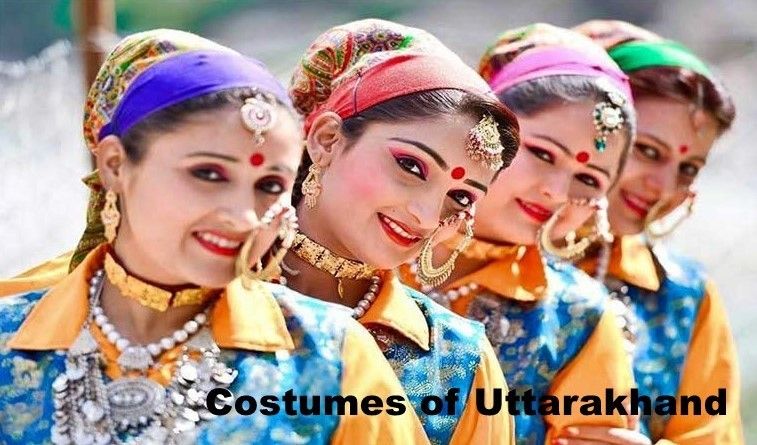
Uttarakhand, the land of the Himalayas, is home to diverse communities whose traditions and lifestyles are reflected in their attire. Clothing in this region is not only a matter of practicality suited to the mountainous terrain and varying climate but also a symbol of cultural identity. Among the many communities, the Kumaoni men and the Jaunsaree tribe stand out for their distinctive costumes, which embody heritage, artistry, and social customs.
Traditional Costume of Kumaoni Men
The Kumaoni Community, residing in the eastern part of Uttarakhand, shares similarities with their Garhwali counterparts but also introduces unique elements into their attire.
- Kurta and Pyjama: The most common outfit for Kumaoni men is the kurta paired with pyjama, a combination that provides comfort and ease of movement.
- Turban or Topi: Headgear is an essential part of the costume. Older men often wear turbans, symbolizing dignity and respect, while younger men prefer caps (topis), which are practical and stylish.
- Jewelry and Accessories: What distinguishes Kumaoni men’s attire from Garhwali men’s is the addition of necklaces or hand jewelry. These ornaments reflect the unique cultural style of the Kumaon region, adding a touch of elegance and individuality.
- Adaptation to Climate: Woolen fabrics are preferred in colder areas, while cotton is used in warmer valleys, showcasing the adaptability of Kumaoni attire to diverse weather conditions.
The combination of traditional clothing with jewelry highlights the Kumaoni men’s pride in their heritage, blending practicality with cultural expression.
Traditional Costume of the Jaunsaree Tribe
The Jaunsaree tribe, primarily residing in the Jaunsar-Bawar region of Uttarakhand, is known for its vibrant and colorful costumes. Their attire reflects both functionality and artistic craftsmanship, making it one of the most distinctive in the state.
Women’s Attire
- Ghagri: Women wear a long, pleated skirt called ghagri, usually made of wool or cotton. The ghagri is often decorated with intricate embroidery and mirror work, adding vibrancy and charm.
- Choli: A short-sleeved blouse worn with the ghagri, completing the traditional ensemble.
- Jewelry: Heavy silver ornaments are an integral part of Jaunsaree women’s attire. These include necklaces, earrings, bangles, and anklets, which not only enhance beauty but also symbolize cultural identity and marital status.
Men’s Attire
- Dhoti-Kurta: Jaunsaree men typically wear dhoti-kurta, a simple yet traditional outfit suited to their lifestyle.
- Turban or Cap: Headgear is common among men, with turbans or caps serving both practical and cultural purposes.
The Jaunsaree tribe’s costumes are a vivid reflection of their artistic traditions, with embroidery, mirror work, and silver jewelry adding richness to their cultural identity.
Cultural Significance
Both Kumaoni men’s attire and Jaunsaree costumes highlight the deep connection between clothing and culture in Uttarakhand. While Kumaoni men distinguish themselves with jewelry and accessories, Jaunsaree women showcase artistry through embroidered ghagris and ornate silver ornaments. These costumes are not just garments but symbols of heritage, social customs, and pride, worn with reverence during festivals, weddings, and community gatherings.
Conclusion
The Traditional Costumes of Kumaoni men and the Jaunsaree tribe exemplify The Diversity and Richness of Uttarakhand cultural fabric. Kumaoni men’s attire, with its kurta-pyjama, turban or topi, and distinctive jewelry, reflects a blend of practicality and elegance. The Jaunsaree tribe’s colorful ghagris, cholis, and heavy silver ornaments highlight their artistic traditions and vibrant identity. Together, these costumes preserve the essence of society, culture, and tradition in the Himalayan region, ensuring that the legacy of Uttarakhand’s communities continues to thrive across generations.