
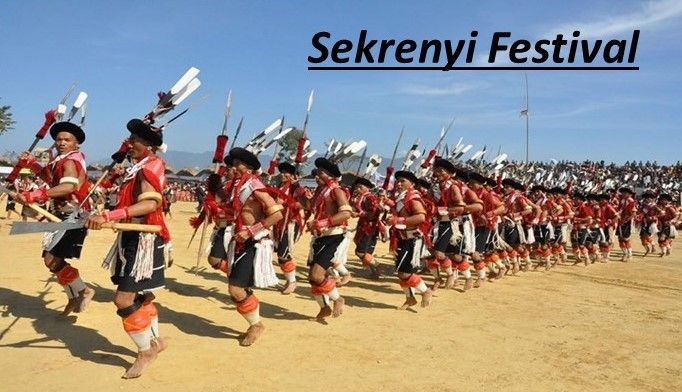
The Sekrenyi Festival, locally known as Phousanyi, is one of the most significant cultural events of the Angami tribe in Nagaland. Celebrated annually in January, just after the Terhunyi ritual, it is a festival deeply rooted in tradition and spirituality. Primarily dedicated to the sanctification of men, Sekrenyi is also a vibrant expression of community, identity, and cultural heritage, reflecting the values and beliefs of the Angamis.
Origins and Meaning
The term Sekrenyi comes from two words: sekre (sanctification) and thenyi (festival). Together, they symbolize purification and Renewal. Traditionally, the festival lasted ten days, but in modern times it has been shortened to six. Despite this change, its essence remains intact — it continues to be a time for the community to unite, seek blessings, and celebrate life.
Rituals and Ceremonies
The Festival Begins with Kezie, the first day of rituals. Rice water from a pot called Zumho is sprinkled on individuals as a symbol of purification. The chief lady of the household places leaves with drops of this sacred water at the three main pillars of the home, invoking divine protection. Men then gather at the village well to bathe, marking the start of their sanctification.
On the second day, young men undergo ritualistic purification. They wear two new shawls and sprinkle holy water on their chest, knees, and right arms to cleanse themselves of sins and misfortune. A cock is sacrificed, symbolizing the offering of life to ward off evil.
The fourth day holds special importance as it marks the New Year of the Angamis. This day is filled with singing, dancing, and feasting. Men and women dress in traditional attire — men carrying headhunting spades and women with baskets — showcasing the tribe’s rich heritage.
Symbolic Acts
Cooking plays a central role during the festival, with men preparing food in temporary fireplaces using separate utensils. Another unique ritual involves the symbolic slaying of demons and misfortunes. Participants engage in target shooting with wooden spears, representing the triumph of good over evil. Elderly members then bestow Thisisaja, a solemn blessing, ensuring victory against adversities.
Like the Terhunyi ritual, men carry Sekremeat and rice brew to their maternal uncles, exchanging gifts that reinforce familial bonds.
Festive Continuation
The remaining days are devoted to creativity and merriment. People collect decorative items from forests and craft ornaments such as necklaces. On the fifth day, elders thread beads while youths adorn themselves with these ornaments, celebrating with music and dance. The joyous mood continues until the festival’s conclusion, leaving behind a sense of unity and renewal.
Cultural Significance
The Sekrenyi Festival is more than a ritual; it is a reaffirmation of identity and tradition. It strengthens community ties, preserves age-old customs, and instills values of purity, courage, and resilience. For the Angamis, it is a time to honor their ancestors, celebrate their heritage, and embrace the blessings of life.
In The Broader Context of Nagaland Culture and tribal traditions, Sekrenyi stands as a vibrant example of how festivals serve as living bridges between the past and present. It embodies the spirit of renewal and reminds society of the importance of cultural preservation amidst modernity.