
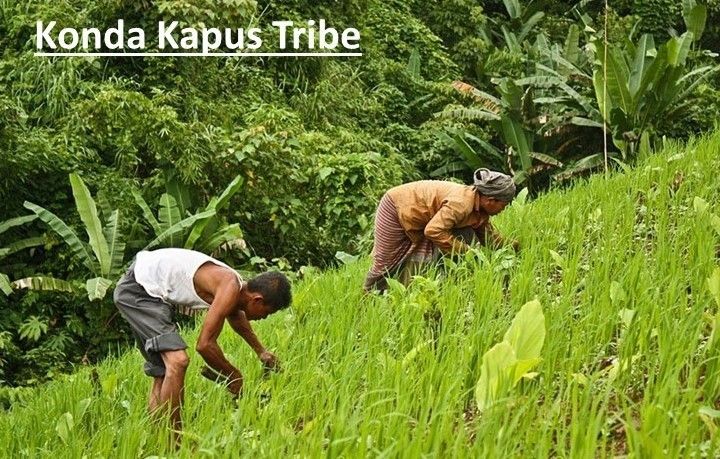
The Konda Kapus, also known as Konda Dora, are one of the prominent Scheduled Tribes of India. While they are primarily concentrated in Karnataka, significant populations also reside in Andhra Pradesh, Odisha, and Tamil Nadu. This tribal community is recognized for its rich cultural heritage, distinct traditions, and a lifestyle deeply rooted in the forests and hilly terrains they inhabit.
Origin and Identity
The origins of the Konda Kapus are explained through two perspectives. Anthropologists trace their lineage to the legendary Pandava kings, which explains their strong identification with Hindu traditions and their reverence for the deity Thalupulamma. Scholar Thurston, however, suggests that The Tribe Historically engaged in Hill Cultivation, particularly in the Visakhapatnam region. These dual narratives highlight both mythological and occupational roots of the community.
Language
The Konda Kapus primarily speak Telugu, but they also have their own dialect known as Kubi or Konda Bhasha. This dialect belongs to the Gadaba group of the Dravidian family, reflecting their unique linguistic identity while maintaining ties to the broader regional culture.
Economy and Livelihood
The tribe’s economy is agro-forest based, relying on both settled and shifting cultivation, locally called Podu cultivation. Forest products supplement their livelihood, making them deeply dependent on natural resources. This close relationship with the environment shapes their daily lives and sustains their community.
Housing and Settlements
Konda Kapus settlements are typically dispersed across hilly and forested regions. Houses are often built with thatched roofs, though government initiatives have encouraged tiled structures. Cooking is traditionally done in clay pots and aluminum utensils. Social organization is clan-based, with divisions such as Naga, Surya, and Korra, and surnames like Somula, Janni, Nandula, Boyina, and Pangi being common.
Food Habits
Their staple food is Ambali (gruel)made from ragi flour. While rice is not a preferred food, they consume a variety of non-vegetarian dishes, including beef, wild fowl, pigs, hares, and birds. Forest produce like fruits, roots, and tubers also form an essential part of their diet. Alcoholic beverages such as arrack, toddy, and rice beer are widely consumed, and tobacco use is prevalent.
Attire and Ornaments
Clothing is simple yet distinctive. Elderly men often wear Pancha (dhoti) or Gochi, while younger men prefer trousers and shirts. Women wear sarees and blouses, accessorized with silver or copper ornaments. A unique adornment is necklaces made from coins, reflecting creativity and resourcefulness.
Social Norms and Marriage
The Konda Kapus follow a patriarchal system, with nuclear families being common. Monogamy is the preferred form of marriage, though polygamy, elopement, and capture marriages also exist. Widow and levirate marriages are practiced. Divorce requires permission from tribal leaders, but marital bonds are often fragile, with extramarital relations not uncommon.
Religion and Festivals
Religious Life Blends Hinduism and Christianity, accompanied by elements of superstition. Festivals play a central role, with Etikela Panduga being the most significant. They also celebrate mainstream Hindu festivals like Sankranti, Diwali, and Sivaratri. The Modukondamma Thirunallu fair, held annually in Paderu during May, is a major cultural gathering that showcases their traditions.
Conclusion
The Konda Kapus Tribe exemplifies the diversity of India’s tribal communities. Their traditions, language, food habits, and social norms reflect a harmonious blend of ancient heritage and adaptation to modern influences. Despite challenges, they continue to preserve their identity, making them an integral part of India’s cultural mosaic.