
Introduction
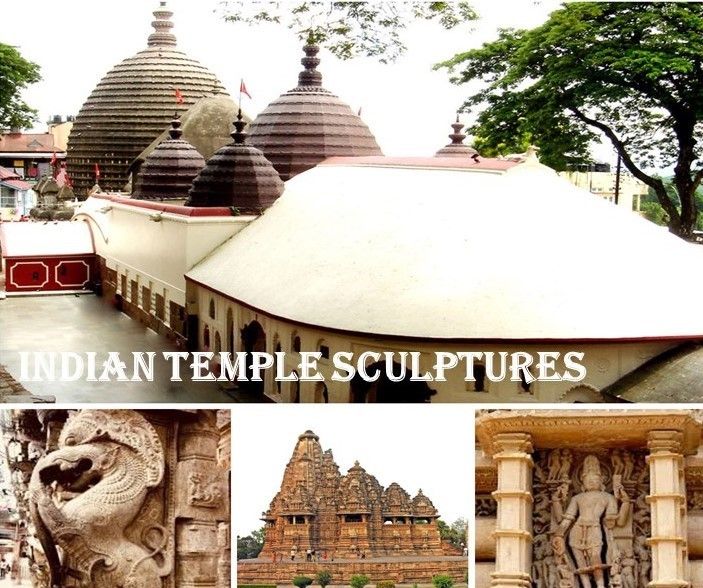
Temple sculpture in East India developed a distinctive identity, blending artistry in stone, bronze, and terracotta with deep spiritual symbolism. The region, encompassing Assam, Bengal, Bihar, and Odisha, produced temples that were not only places of worship but also repositories of cultural and artistic expression. Each area contributed unique styles Assam with its Ahom influences, Bengal with terracotta panels, Bihar with Buddhist monuments, and Odisha with its grand stone temples. Together, they form a rich tapestry of temple sculpture that continues to inspire awe.
Assam
Assam Temple Sculpture reflects a mix of Pala art traditionsand local Ahom styles. The Kamakhya Temple in Guwahati, a Shakti Peeth dedicated to Goddess Kamakhya, was built in the 17th century and showcases intricate carvings. Earlier influences can be seen in the DaParvatia temple door frame near Tezpur (6th century), which carries Gupta idioms. Temples such as Devi Dol at Gaurisagar, Sib Dol at Shibsagar, and Hayagriva Mahadeva Temple at Hajofeature sculpted walls and pillars with depictions of Hindu gods and goddesses. The Madan Kamdev temple is also notable for its expressive carvings.
West Bengal
West Bengal is renowned for its terracotta temple sculptures, particularly from the Pala and Sena dynasties. The temples of Bishnupur are celebrated for panels depicting stories from the Puranas and episodes of Krishna Lila. These terracotta works also illustrate contemporary life, making them historically valuable. Other notable temples include the Gokul Chand Temple, Hanseswari Temple, Madanmohan Temple, and Krishna Chandra Mandir, all of which highlight Bengal’s mastery in terracotta artistry.
Bihar
Bihar’s temple sculpture is closely tied to Buddhism. The Mahabodhi Temple at Bodh Gaya, dedicated to Lord Buddha, is one of the most significant monuments in the region. The Chaubishi Jain Temple of Patna also features sculptural elements. While many temples in Nalanda and Rajgir have been ravaged by time, remnants of their artistry remain. Temples such as Aranya Devi and Badi Patan Devi showcase minimal but meaningful sculptural work.
Odisha
Odisha is perhaps the most celebrated region for temple sculpture in East India. Temples here are renowned for their explicit and intricate carvings, often including erotic motifs alongside depictions of mythology, military life, and courtly scenes. The Konark Sun Temple, designed as a colossal chariot, is adorned with wheels and panels featuring dancers, animals, and celestial beings. The Lingaraja Temple in Bhubaneswar, the Mukteswara Temple, and the Jagannath Temple at Puri are other masterpieces. The Jagannath Temple, part of the Char Dham pilgrimage, is especially famous for its annual Ratha Yatra (Chariot Festival). Numerous other temples, such as Svarnajaleswar, Yameswar, Bhaskareswar, Huma, Sarankul, Simhanath, Biraja, and Laxminarayan, further enrich Odisha’s sculptural heritage.
Conclusion
The Temple Sculptures of East India represent a remarkable fusion of artistry and devotion. From Assam’s Ahom-inspired carvings to Bengal’s terracotta panels, Bihar’s Buddhist monuments, and Odisha’s grand stone temples, each region contributed uniquely to India’s cultural legacy. These sculptures are not only artistic marvels but also historical records, reflecting mythology, daily life, and spiritual ideals. Together, they stand as enduring monuments of India’s rich heritage, showcasing the timeless bond between faith and art.