
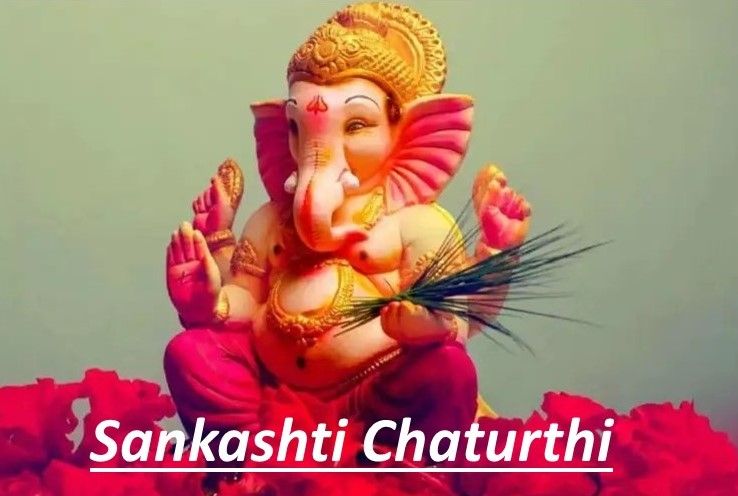
Sankashti Chaturthi is one of the most revered festivals in Hindu tradition, dedicated to Lord Ganesha, the remover of obstacles and the embodiment of wisdom, prosperity, and divine protection. This sacred observance occurs every lunar month on the fourth day of Krishna Paksha (the waning phase of the moon). While it often falls in October after Dusshera, its monthly recurrence makes it a continuous spiritual practice for devotees across India.
Mythological Roots
The Mythology of Sankashti Chaturthi is deeply connected to the story of Lord Ganesha and his elevation among the gods. According to Hindu scriptures, Lord Shiva once declared his son superior to all deities except Lord Vishnu, Goddess Lakshmi, Lord Shiva himself, and Goddess Parvati. This proclamation established Ganesha as the supreme deity of wisdom, prosperity, and good fortune, hence invoked before any new venture or journey.
The tale of Ganesha’s birth is equally profound. Goddess Parvati created him from sandalwood paste and infused life into the figure. When Lord Shiva returned, Ganesha, unaware of his father’s identity, denied him entry. A fierce battle followed, where Ganesha even defeated mighty gods. Ultimately, Shiva beheaded him, leaving Parvati grief-stricken. To console her, the gods replaced Ganesha’s head with that of a baby elephant, giving rise to the beloved elephant-headed deity. From then on, Ganesha became the eternal symbol of wisdom, strength, and protection.
Observance of Sankashti Chaturthi
Sankashti Chaturthi is observed every month, but when it falls on a Tuesday, it is known as Angaraki Sankashti Chaturthi, considered the most auspicious of all. Devotees believe that sincere worship on this day fulfills wishes, removes obstacles, and brings divine blessings.
Rituals of Sankashti Chaturthi
- Fasting: Devotees observe a strict fast, breaking it only after sighting the moon at night.
- Moon prayers: Before breaking the fast, prayers are offered to Lord Ganesha, followed by reciting the Ganapati Atharvasheersha.
- Monthly worship: Each month, Lord Ganesha is worshipped with a different name and seat (peeta), through the Sankashta Ganapathi Puja.
- Vratha Katha: Each fast is accompanied by a story explaining its purpose, reinforcing the spiritual essence of the ritual.
The belief is that fasting and praying on this day reduces difficulties, as Lord Ganesha symbolizes the removal of obstacles and the bestowal of intelligence.
Prayer Traditions
The prayers of Sankashti Chaturthi are unique. There are 13 Vratha Kathas, one for each lunar month, and an additional one for the adhika (extra month). The story specific to the month must be recited during the prayer, making the ritual deeply personalized and spiritually enriching.
Significance
Sankashti Chaturthi is not merely a day of fasting; it is a spiritual journey of surrender, discipline, and devotion. It reminds devotees of Lord Ganesha’s role as the remover of obstacles and the divine protector who guides them toward wisdom and prosperity. Observing this festival strengthens faith, instills discipline, and connects devotees to the rich tapestry of Hindu tradition.