
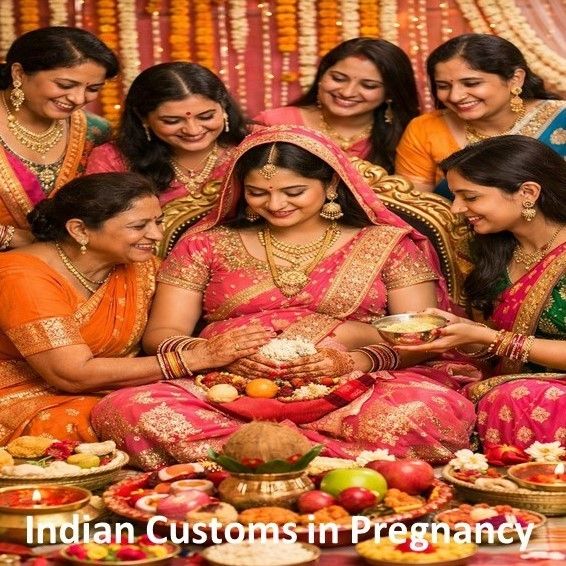
Pregnancy in India is far more than a biological process—it is deeply woven into the cultural, spiritual, and social fabric of society. Across regions, communities, and religions, expectant mothers are surrounded by rituals, myths, and practices that reflect reverence for motherhood. While modern medicine has reshaped maternal care, these traditions continue to hold symbolic importance, offering emotional reassurance and strengthening family bonds.
Beliefs and Myths
Indian culture attaches profound meaning to pregnancy, often guided by myths and protective customs:
- Eclipse beliefs: Pregnant women are advised to stay indoors during eclipses to avoid harmful effects.
- Avoiding death rituals: Expectant mothers are discouraged from attending funerals, believed to Shield Them from Negative Spiritual Influences.
- Crossing streams: Folklore warns against crossing rivers at night, fearing water spirits may cause harm.
Though rooted in superstition, these practices reveal communities’ instinct to protect mothers-to-be.
Traditions of Diet and Care
Food plays a central role in pregnancy customs:
- Hot foods avoided: Papaya, banana, coconut, meat, fish, chicken, potatoes, red chillies, and okra are believed to cause imbalance.
- Cold foods encouraged: Yoghurt, buttermilk, vegetables, and fruits are consumed to maintain harmony.
- Post-childbirth diet: Hot foods are reintroduced to restore balance.
Social traditions emphasize nurturing care:
- Returning to parental home: Women often spend pregnancy at their parents’ house for support.
- Confinement period: After birth, mothers undergo confinement with remedies and recipes passed down generations.
- Breastfeeding customs: Some traditions delay breastfeeding until six months, though modern medical advice differs.
Rituals of Pregnancy
Pregnancy rituals vary widely across regions and religions:
- Shadh Ceremony (Bengal): Held during the 5th and 7th months, the mother is served rice with shukto and vegetables.
- Godh Bharai (Hindu ritual): In the 7th month, the mother-to-be is showered with gifts and blessings.
- Jatakarma: After birth, the father whispers mantras into the baby’s ears.
- Punsavana Samskara: A prenatal ritual performed for the unborn child’s well-being.
- Malabar Muslim customs: In Kerala and Karnataka, ceremonies like Neyyu Kudikkan Konduvaral (sending the mother to her father’s house in the 4th month) and Palla Kanan Pokk (returning to her husband’s house with bakery goods) are practiced.
Even birth celebrations differ:
- For a boy, a thali (metal plate) is beaten.
- For a girl, a winnowing fan is struck, Symbolizing Joy and Welcome.
Cultural Significance
These customs highlight the community’s role in safeguarding pregnancy. While modern healthcare has replaced many traditional practices, rituals like Godh Bharai or Shadh remain cherished for their emotional and cultural value. They foster family bonding, spiritual reassurance, and continuity across generations.
Indian pregnancy customs—whether dietary, ritualistic, or mythical—reflect a society where motherhood is revered and protected. Though not all practices align with modern science, they continue to enrich the cultural fabric of Indian life, blending tradition with evolving medical understanding.