
Introduction
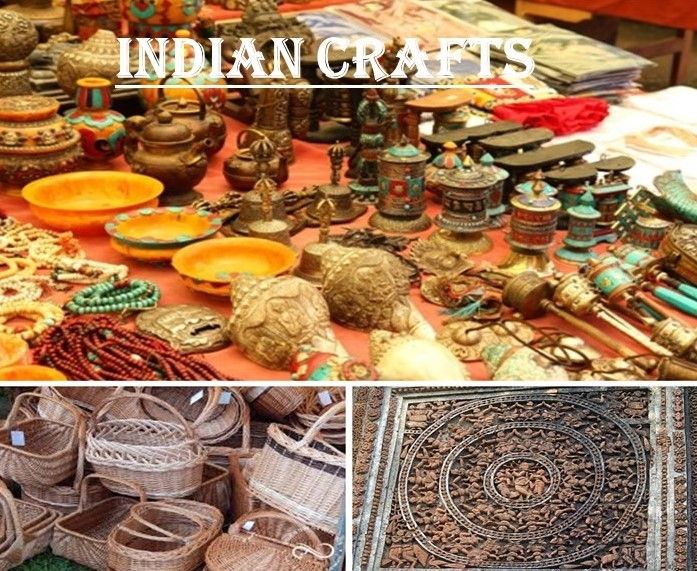
The medieval period in Indian history stands as a remarkable era of artistic and cultural development, with crafts flourishing under the patronage of powerful dynasties. From stone carvings and metallurgy to textiles and bronze sculptures, Indian crafts during this time reflected both utilitarian needs and spiritual aspirations. The period witnessed innovations in technique, grandeur in design, and a deep connection between art and religion, making medieval crafts a vital part of India’s cultural heritage.
Mauryan Contributions
The Mauryan Empire (3rd century BCE) marked a significant milestone in the evolution of Indian crafts. Emperor Ashoka, known for his patronage of Buddhism, is believed to have commissioned the construction of 84,000 stupas across India. The Sanchi Stupa, one of the most famous, stands as a testament to the exquisite stone carving and relief work of the time. Its intricate gateways and sculptures narrate stories from the life of the Buddha, blending artistry with spiritual symbolism.
Jewelry also flourished during this period, with sculptures from Bharhut, Mathura, Amravati, Vaishali, and Sanchi depicting female figures adorned with elaborate ornaments. The iron pillars of Vaishali and Delhi, created during Ashoka’s reign, remain marvels of metallurgical craftsmanship, showcasing advanced knowledge of iron casting and durability.
Influence of Dynasties on Medieval Crafts
The medieval era was shaped by the contributions of several dynasties, each leaving a distinct imprint on Indian crafts.
- Chola Dynasty (9th–13th century CE): Flourishing in South India, the Cholas elevated bronze artistry to unparalleled heights. They perfected the lost wax technique, producing lifelike bronze sculptures of deities. The most iconic example is the Shiva Nataraja, depicting the cosmic dance of creation and destruction. This masterpiece not only symbolizes profound philosophical concepts but also serves as a devotional icon for worshippers.
- Vijayanagar Empire (14th–17th century CE): The Vijayanagar rulers continued the Chola legacy, excelling in bronze craft, silk weaving, jewelry-making, and temple architecture. Their temples, adorned with intricate carvings, reflected both artistic brilliance and religious devotion. The empire’s emphasis on cultural patronage ensured that crafts remained vibrant and widespread.
- Chalukyan Empire (6th–12th century CE): The Chalukyas were renowned for their rock-cut architecture and stone carvings, particularly in temples such as those at Badami and Pattadakal. Their work demonstrated mastery over hard rock, blending structural innovation with artistic detailing.
- Rashtrakuta Dynasty (8th–10th century CE): The Rashtrakutas contributed significantly to temple architecture and sculpture, with the Kailasa temple at Ellora standing as a monumental achievement in rock-cut art.
- Pallava Dynasty (4th–9th century CE): The Pallavas pioneered stone architecture in South India, with monuments at Mahabalipuram showcasing intricate carvings and narrative reliefs. Their influence continued to inspire later dynasties in temple construction and sculpture.
Cultural Significance
Medieval crafts were not merely artistic expressions; they were deeply intertwined with religion, philosophy, and social life. Temples became centers of craft production, where artisans created sculptures, jewelry, textiles, and ritual objects. The blending of artistry with spirituality ensured that crafts held both aesthetic and devotional value.
Conclusion
The Medieval History of Indian Crafts reflects a golden age of creativity, innovation, and devotion. From the stupas of Ashoka to the bronzes of the Cholas, from the stone temples of the Pallavas to the grandeur of Vijayanagar, each dynasty enriched India’s craft traditions. These works continue to inspire awe, symbolizing the timeless artistry and cultural depth of India. Rooted in tradition yet evolving with each era, medieval crafts remain enduring treasures of India’s heritage.