
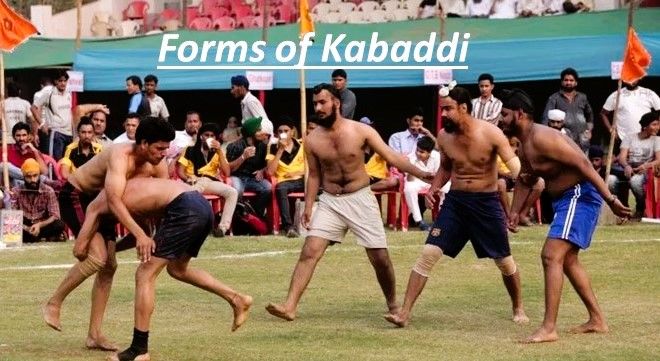
Kabaddi, one of India’s most treasured traditional sports, is far more than a competitive pastime it is a cultural symbol that embodies discipline, teamwork, and resilience. With origins tracing back to the prehistoric era, Kabaddi has thrived for centuries due to its simplicity and accessibility. Requiring no elaborate equipment, it fosters physical fitness while sharpening both defensive and offensive strategies. Over time, the sport has evolved into distinct forms, each reflecting regional traditions and unique rules, ultimately shaping The Modern Version Celebrated Worldwide Today.
Amar Kabaddi
The Amar format emphasizes continuous play, with teams of 9 to 11 players competing without fixed field measurements. Unlike modern Kabaddi, Amar does not feature an “out” or revival system, nor does it award a Lona (bonus points for eliminating all opponents). Players remain active throughout the match, ensuring uninterrupted participation. This time-bound format allows athletes to showcase their skills without the fear of exclusion, making it a pure test of stamina and strategy.
Gemini Kabaddi
Also known as Gaminee, this version introduces the concept of being declared “out.” Teams of nine players compete, and once eliminated, a player must wait until revival or until all teammates share the same fate. A team earns points by eliminating all opponents, with a Lona adding two bonus points in modern adaptations. Matches continue until five or seven points are scored, often making the game lengthy and challenging for those sidelined early. Unlike Amar, Gemini is not restricted by time, adding unpredictability to its flow.
Surjeevani Kabaddi
Surjeevani closely mirrors the modern version of Kabaddi. Out players are revived instantly, keeping the game dynamic and engaging. Played with nine players per team, matches last 40 minutes with a 5-minute halftime break. A Lona is awarded when all opponents are eliminated, and the larger playing field emphasizes endurance and tactical play. This format laid the foundation for the standardized rules of modern Kabaddi, blending tradition with structure.
Modern Kabaddi
Modern Kabaddi synthesizes elements from Amar, Gemini, and Surjeevani while introducing standardized regulations. Each team has 12 players, with seven on the court and five in reserve. The game lasts 40 minutes, divided into two halves of 20 minutes each, with a 5-minute break.
The field measures 12.50 meters by 10 meters, split into two halves with a one-meter-wide lobby on each side. Matches begin with a toss, and the winning side sends a “raider” into the opponent’s half, chanting “kabaddi-kabaddi” in one breath. The raider’s goal is to tag opponents and return safely, while defenders aim to stop him. Failure to return in the same breath results in elimination.
Modern Kabaddi emphasizes agility, stamina, and teamwork. The revival system, scoring through raids, and awarding of Lona points make it fast-paced and thrilling. Today, it is played professionally in leagues such as the Pro Kabaddi League, which has propelled the sport to international recognition.
Conclusion
Kabaddi’s journey from its traditional roots to its modern professional form reflects India’s ability to preserve cultural heritage while adapting to contemporary sports standards. Whether in the timeless Amar format or the electrifying modern version, Kabaddi continues to embody discipline, strategy, and the spirit of competition. Its accessibility and cultural resonance ensure that it remains one of India’s most beloved sports, inspiring generations to embrace both tradition and innovation.