
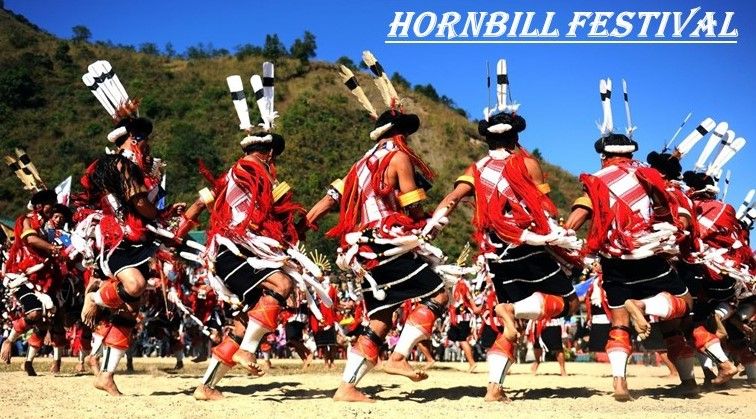
The Hornbill Festival, often hailed as the “Festival of Festivals”, is one of India’s most spectacular cultural events. Held annually from December 1st to 10th in Kohima, the capital of Nagaland, it brings together the traditions of the state’s 17 major tribes. Organized by the Government of Nagaland’s Tourism and Art & Culture Departments, the festival has become a powerful symbol of cultural pride, unity, and a major driver of tourism in the region.
Origins and Symbolism
The festival derives its name from the hornbill bird, A Majestic Creature Deeply Revered in Naga Folklore. Known for its striking plumage and agility, the hornbill symbolizes courage, vitality, and cultural identity. Its feathers often adorn traditional headdresses worn during the celebrations. By dedicating the festival to this bird, the Nagas highlight their profound connection with nature and their determination to preserve ancestral traditions.
The primary aim of the Hornbill Festival is to revive, protect, and sustain Naga heritage, while offering visitors a rare chance to immerse themselves in the diverse tribal cultures of Nagaland.
Celebration and Activities
The Hornbill Festival is a vibrant kaleidoscope of traditions, where each day is filled with performances, exhibitions, and competitions. Visitors can experience:
- Traditional dances: Tribal troupes narrate stories of valor, harvest, and community life through rhythmic movements.
- Handicrafts: Wood carvings, paintings, and sculptures showcase the artistry of Naga artisans.
- Food fairs: Authentic Naga cuisine, especially non-vegetarian delicacies, is served in traditional styles.
- Fashion shows: Tribal attire and modern interpretations of Naga designs take center stage.
- Sports and games: Wrestling, archery, and indigenous competitions highlight physical skill and tradition.
- Music concerts: Folk tunes blend seamlessly with contemporary performances.
Other attractions include beauty contests, flower exhibitions, Morung (tribal hut) displays, and religious ceremonies, all contributing to the festival’s grandeur.
Cultural and Social Significance
Beyond entertainment, the Hornbill Festival is a cultural revival movement. It strengthens tribal identity, fosters unity among diverse communities, and promotes tourism in Nagaland. For locals, it is a reaffirmation of their traditions; for visitors, it is a gateway to understanding Naga society.
Economically, the festival boosts livelihoods as artisans, performers, and local businesses benefit from the influx of tourists. It has successfully placed Nagaland on the global cultural map, attracting travelers from across India and abroad.
A Culinary Paradise
For food lovers, especially non-vegetarians, the Hornbill Festival is a culinary paradise. At Kisama Heritage Village, each tribal hut welcomes visitors with traditional dishes and warm hospitality. Beyond food, these huts offer insights into tribal customs, rituals, and ways of life, making the experience both gastronomic and cultural.
Conclusion
The Hornbill Festival is more than a celebration it is a living testament to tribal heritage, cultural diversity, and community spirit. By honoring the hornbill bird and showcasing tribal traditions, Nagaland preserves its identity while inviting The World to Experience its Beauty.