
Introduction
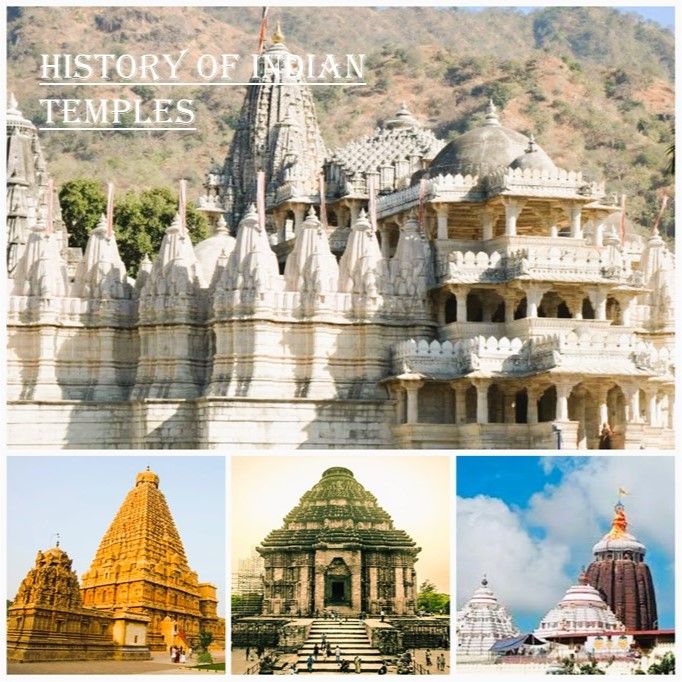
Indian temple architecture is one of the most profound expressions of spirituality, culture, and artistry in the world. Temples in India have always been more than places of worship; they are centers of learning, community, and cultural preservation. What is fascinating is that the influence of Indian temple architecture did not remain confined within the subcontinent. Over centuries, Indian rulers, traders, and cultural ambassadors carried their traditions abroad, leaving behind magnificent temples that still stand as testimony to India’s spiritual and artistic legacy.
The Spread of Indian Temples Abroad
The History of Indian Temples Abroad is closely linked with the expansion of Indian kingdoms, maritime trade, and cultural exchanges. Particularly in Southeast Asia, Indian influence was profound. Many regions such as Java, Bali, Cambodia, and Thailand were once under the cultural and political influence of Indian rulers. This resulted in the construction of temples that mirrored the grandeur of Indian architecture while blending with local traditions.
Temples in Java
Java, in present-day Indonesia, is home to some of the earliest Hindu temples outside India. The Shiva temples at Diengand Idong Songo are remarkable examples of early Indian-inspired architecture. These temples, built between the 7th and 9th centuries, reflect the spread of Shaivism and the adaptation of Indian styles to local materials and techniques.
One of the most celebrated temple complexes in Java is the Lara Jonggrang at Prambanan. Built in the 9th century, this group of temples is dedicated to the Trimurti—Brahma, Vishnu, and Shiva. The towering central shrine of Shiva, rising to 47 meters, is a magnificent example of Hindu temple architecture abroad.
Temples in Bali
Bali, another Indonesian island, is renowned for its Hindu temples that continue to be active centers of worship even today. The rock-cut temple facades at Tampaksiring and the grand Besakih Temple, often referred to as the “Mother Temple,” are striking examples. Besakih, located on the slopes of Mount Agung, is the largest and holiest temple in Bali, symbolizing the enduring spiritual connection between India and Bali.
Temples in Cambodia
Cambodia is home to some of the most iconic temples influenced by Indian culture. The Chen La temples at Sambor Prei Kuk, dating back to the 7th century, are among the earliest examples of Hindu architecture in the region. Later, the Khmer Empire built temples that rivaled the grandeur of Indian counterparts.
The Banteay Srei Temple, dedicated to Lord Shiva, is celebrated for its intricate carvings and pink sandstone construction. However, the most renowned of all is the Angkor Wat complex, built by King Surya Varman II in the 12th century. Originally dedicated to Vishnu, Angkor Wat is the largest religious monument in the world and a UNESCO World Heritage Site. Its grandeur, symmetry, and detailed bas-reliefs depicting Hindu epics like the Ramayana and Mahabharata highlight the deep cultural ties between India and Cambodia.
Cultural and Spiritual Significance
These temples abroad were not merely places of worship; they were cultural hubs that spread Indian philosophy, art, and literature. They played a vital role in the dissemination of Hinduism and Buddhism, shaping the spiritual landscape of Southeast Asia. Even today, these temples attract millions of visitors, scholars, and devotees, serving as living monuments of India’s historical and cultural outreach.
Conclusion
The History of Indian Temples abroad is a testament to the far-reaching influence of Indian civilization. From Java and Bali to Cambodia, these temples stand as enduring symbols of India’s religious, artistic, and cultural heritage. They remind us that spirituality knows no boundaries and that the architectural brilliance of India continues to inspire and awe the world.