
Introduction
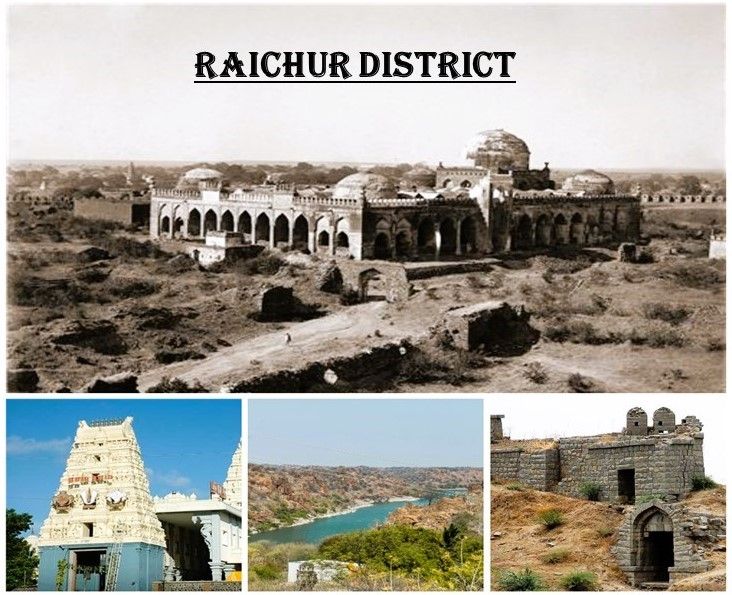
The culture of Raichur District in Karnataka is a rich blend of art, architecture, and literature shaped by the dynasties that ruled the region. Temples and mathas built by rulers such as the Chalukyas, Rashtrakutas, Vijayanagara kings, Bahmanis, and Adil Shahs became centers of cultural, literary, and social activities. These rulers were great patrons of arts and letters, and their influence fostered a vibrant cultural tradition. Raichur has also been home to eminent personalities, saints, and writers who contributed significantly to Kannada literature and devotional movements.
Early Literary Contributions
Raichur Literary Legacy dates back to the 11th century, when Naoli in Lingsugur taluk produced two renowned vachana writers Shankara Dasimayya and Dhakkeya Marayya. They pioneered the vachana style, which later became a unique treasure of Kannada literature. In the 12th century, writers such as Ayadakki Marayya, Ayadakki Lakkamma, and Bibbi Bacharasa enriched this tradition. By the 16th century, Lingannacharya of Kallur composed Vararamya-Ratnakarain the Bhamini-shatpadi metre, further strengthening Raichur’s literary prominence.
The Haridasa Tradition
During the reign of the Vijayanagara kings, mathas were reorganized, and the cultivation of arts and letters flourished. The Haridasa tradition gained momentum in Raichur through saints like Vijayadasa, Gopaladasa, and Jagannathadasain the 17th and 18th centuries. They composed devotional and mystical songs that remain popular in Kannada culture. Their followers, including Praneshadasa, Vasudeva Vitthala, Panganama Thimmanna Dasa, and Kallur Subbannacharya, carried forward this tradition, producing works in both Sanskrit and Kannada.
Veerashaiva Writers and Later Contributions
The 18th century saw the rise of Veerashaiva writers such as Sangavibhu of Ganekal, who authored Kumara Vijaya and three Shatakas, and Ganamathadarya, who wrote Bhakti-Sudharasa. Other notable figures included Kudlur Basavalinga Sharma. In the 19th century, writers like Veerabhadra Kavi, Gugal Parappayya, and Mariswamy enriched Kannada literature, while Kaviratna Chenna Kaviand Maski Basavappa Sastrybecame famous for their Puranas.
Preservation of Literary Traditions
Efforts to preserve Raichur’s literary heritage continued into modern times. Gorebala Hanumantha Rao of Lingsugurconducted extensive research on Dasa Sahitya, publishing over 50 works containing keertanas of various Dasas. His work revealed that contributors to the Haridasa tradition included people from diverse backgrounds, including Harijans and Muslims, highlighting the inclusive nature of Raichur’s culture.
Modern Cultural Revival
In the 1920s and 1930s, cultural activities gained momentum through the efforts of Pandit Taranath (1891–1942), an eminent thinker, linguist, and social worker. He authored works such as Dharma Sambhava and Dharmada Tirulu, and also contributed to Ayurveda education. He founded the Hamdard High School in Raichur, inspiring many to pursue cultural and social causes.
Other notable contributors include Kallinatha Shastri Puranik, who wrote plays and Puranas, and Prof. D.K. Bhimasen Rao of Bidgi, who fostered the Kannada movement in Hyderabad. Sri Manvi Narasinga Rao also played a key role in organizing the Nizam Karnatak Sahitya Parishat and contributed works like Saraswati Tatva and Kannada Yatre.
Conclusion
The Culture of Raichur District is deeply rooted in its literary and devotional traditions. From the vachana writers of the 11th century to the Haridasa saints of the 17th century and modern scholars of the 20th century, Raichur has consistently nurtured creativity and devotion. Its temples, mathas, and literary works stand as enduring symbols of Karnataka’s cultural richness. Raichur continues to play an important role in preserving and propagating Kannada literature and heritage, making it a vital cultural hub in South India.